What Are the Causes of Hair Loss in Men and Women?

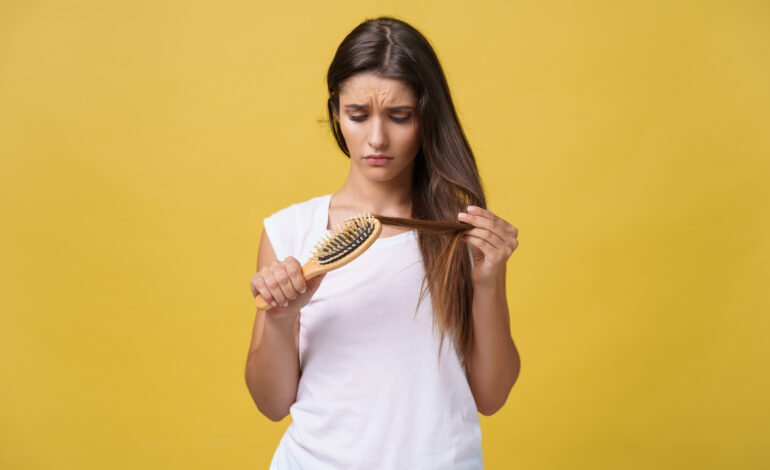
Our hair impacts our self-image and self-esteem. Losing hair can be stressful. When hair loss occurs, it is important to identify its underlying causes in order to treat it. In the following, we look at the most common causes of hair loss, why it happens, and how to prevent it.
Genetics and Hereditary Hair Loss
Genetics is one of the foremost reasons for hair loss in men and women. When it comes to hair loss, most people in the family, overhead, or propulsion, the towers of the family.
Men’s hair loss patterns begin with a receding hairline and circling hair loss in the midsection of the scalp. This can lead to the man being almost fully bald.
Women’s patterns of hair loss is somewhat different. Women tend to have a more diffuse pattern, where there is thinning hair across the scalp with a significant proportion of scalp being bald in a woman.
Such hair loss is predominantly and is almost exclusively caused by hair follicles being shrunk and hair bulb cycles shortened by the potent form of testosterone, dihydrotestosterone. This ultimately leads to hair loss and thinning of hair.
Hormonal Imbalances
Another driving factor to hair loss is hormonal changes.
- For women: PCOS, pregnancy, menopause, thyroid disorders, and other related conditions can trigger hair thinning.
- For men: low testosterone levels, thyroid problems, and other adrenal gland issues lead to hair loss.
During the spikes and lulls of hormonal changes, the hair growth cycle is disrupted and more hair follicles are forced into the resting and shedding phases.
Poor Diet and Nutritional Deficiencies
The types of food we eat directly affects the health of our hair. Nutritional imbalances will highly contribute to hair loss.
- The lack of iron can lead to anemia, which is associated with hair loss.
- Deficient protein levels will reduce the formation of keratin, the primary component of hair.
- Other known contributors to hair loss are the deficiencies of vitamin D, zinc, and biotin.
To maintain robust and healthy hair, a well-balanced diet comprised of leafy greens, lean proteins, nuts, seeds, and whole grains should be followed.
Emotional Health and Stress
Stress can lead to hair loss by pushing hair follicles into the resting phase of their growth cycle. This condition is known as telogen effluvium. After a few months, the hair that has been resting will shed very quickly, resulting in thinning hair.
Stress-related hair loss can occur due to:
- Emotional trauma
- Chronic anxiety
- Major life changes including divorce, death of a loved one, or loss of a job
Practicing Mindfulness, meditation, and yoga, as well as getting enough sleep, contribute significantly to the restoration of healthy hair growth.
Conditions That Cause Hair Loss
Among men and women, several hair loss conditions intersect.
- Alopecia areata: An autoimmune disorder that causes patchy hair loss on the scalp, beard, and other areas.
- Scalp infections: Fungal infections like ringworm weaken the hair follicles and cause hair loss.
- Lupus: This autoimmune disease can cause inflammation on the scalp and damage hair follicles.
- Thyroid disease: Both hyper and hypothyroidism may cause disruption in the hair growth cycle.
To effectively manage hair loss, these health issues need to be treated.
Medical and Surgical Treatments
Certain prescribed drugs/services can cause hair loss as a side effect.
- Chemotherapy: Designed to treat cancer, it kills rapidly dividing cells, including hair follicles.
- Blood thinners: Drugs like warfarin cause temporary hair thinning.
- Antidepressants and beta-blockers: Some people develop telogen effluvium as a side effect.
Typically, hair regrowth occurs once medications are discontinued, but it is best to discuss this with a professional first.
Hairstyles and Hair Treatments
Some styling techniques and beauty treatments are a cause of long-term hair loss.
- Hairstyles styled too tightly with braids, ponytails, or buns could cause traction alopecia due to consistent pulling at the roots.
- Chemical treatments like bleaching, perming, and straightening are abrasive to the hair shaft, which can weaken the follicles.
- Heat styling tools, especially blow dyers, curling irons, and straighteners, are also damaging as they can make hair more brittle and fragile.
Gentler styling techniques and less chemical use are the best ways to combat unnecessary hair loss.
Aging and Natural Hair Thinning
With age, hair loss becomes unavoidable as the natural growth cycle slows. When hair follicles shrink, they produce thinner and shorter strands, and eventually, some follicles stop making hair entirely. This is global and natural, but proper care can delay hair loss for many.
Environmental and Lifestyle Factors
Stress toxins, environmental pollution, and UV rays weaken hair over time. Poor circulation, which contributes to hair loss, is also a result of a sedentary lifestyle, smoking, excessive alcohol, and other vices.Regular exercise, good hydration, and minimal contact with toxins improve the state of one’s hair as well as general health.
Conclusion: Preventing Hair Loss
Hair loss occurs in men and women in part because of genetics, hormones, and other, perhaps uncontrollable, factors. Stress and nutrition, as well as other lifestyle choices, are variables that may be managed. A gentle approach to hair care and an overall balanced diet, along with any existing medical conditioneses that may contribute to hair loss, can help.
Consulting with a dermatologist and even a trichologist in early stages would help to devise a treatment plan that would include any of the common actives in hair loss treatment, or even advanced treatments such as PRP, hair transplant, or other surgical options.
Healthy hair is the result of consistent care and preventive measures.