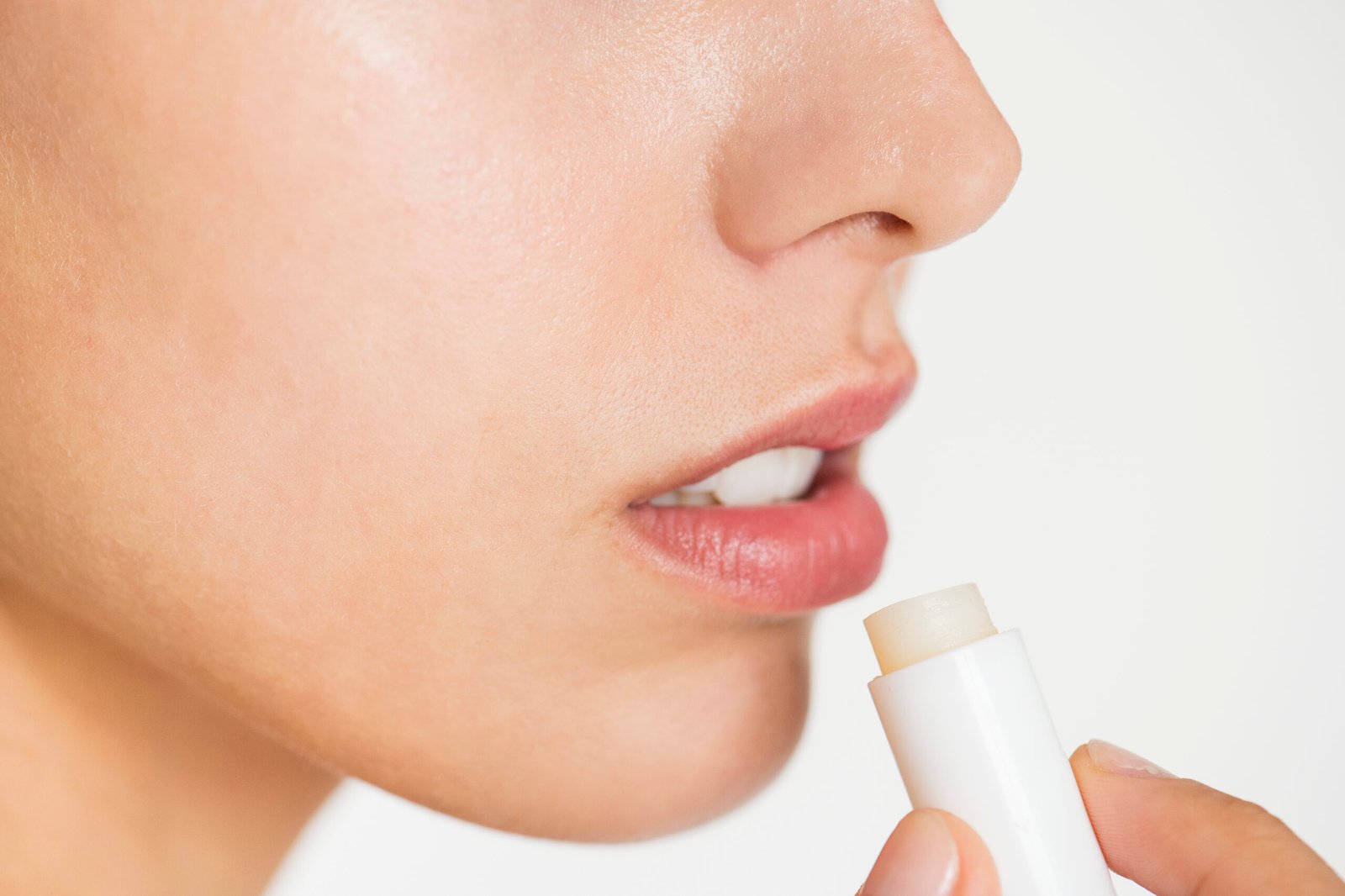
Dry Mouth: More Than Just Thirst — Hidden Causes & What You Can Do


Do you often experience a sticky feeling in your mouth, difficulty swallowing, or persistent bad breath — even when you’re well-hydrated? That sensation might not just be thirst. Chronic dry mouth, medically known as xerostomia, can arise from a variety of factors beyond mere dehydration. Understanding its triggers and how to manage them is essential for comfort, oral health, and overall well-being.
What Is Dry Mouth?
Saliva plays a vital role in keeping your mouth moist, neutralizing acids, aiding digestion, and protecting teeth and gums. Dry mouth occurs when saliva production is inadequate to maintain this moisture. While dehydration is the most obvious cause, many lesser-known influences can lead to chronic dryness.
Common & Hidden Causes of Dry Mouth
Here are the primary contributors to dry mouth, beyond simple thirst:
| Category | Examples & Explanations |
|---|---|
| Medications | A wide range of prescription and over-the-counter drugs can suppress saliva production. These include antihistamines, decongestants, antidepressants, blood pressure medications, diuretics, and painkillers. |
| Underlying Health Conditions | Diseases like diabetes, autoimmune disorders (e.g. Sjögren’s syndrome), rheumatoid arthritis, or thyroid disorders may affect salivary gland function. Viral or bacterial infections can also play a role. |
| Lifestyle Habits | Smoking, excessive alcohol intake, mouth breathing (especially during sleep), or habitual caffeine consumption can dry out the oral environment. |
| Cancer Treatments | Radiation therapy or chemotherapy aimed at the head or neck region may damage salivary glands permanently or temporarily, reducing saliva secretion. |
| Age & Hormonal Changes | As people age, salivary gland output may decline naturally. Hormonal changes (e.g. menopause) can also contribute to dryness. |
| Stress & Dehydration Cycle | Chronic stress may lead to shallow breathing or altered fluid balance, which indirectly affects hydration and saliva flow. |
Recognizing the Symptoms
If you’re unsure whether your mouth is dry for a significant reason, watch for these signs:
- A dry, sticky, or burning sensation in your mouth
- Trouble chewing, swallowing, or speaking
- Cracked lips, sores, or tongue irritations
- Persistent bad breath
- Altered sense of taste or metallic taste
- Frequent thirst even after drinking water
These symptoms, when persistent, warrant investigation and not just temporary measures.
Why It Matters: The Risks of Ignoring Dry Mouth
Dry mouth isn’t just uncomfortable — it can lead to:
- Higher risk of tooth decay and cavities
- Gum disease
- Fungal or bacterial infections in the mouth
- Trouble wearing dentures
- Difficulty speaking or eating
- Impaired quality of life
Addressing dry mouth early can avoid these complications.
What You Can Do: Prevention & Relief
Here are practical steps you can take to manage or reduce dry mouth:
- Hydrate regularly — Sip water throughout the day. Avoid excessive caffeine or alcohol, which can worsen dryness.
- Use saliva substitutes — Over-the-counter gels, sprays, or lozenges can offer temporary relief.
- Maintain excellent oral hygiene — Brush with fluoride toothpaste, floss daily, and see a dentist regularly.
- Modify lifestyle habits — Stop or reduce smoking, limit alcohol, avoid mouth breathing while sleeping (consider a humidifier).
- Review medications — If prescription drugs are a culprit, discuss alternatives or adjustments with your doctor.
- Stimulate natural saliva flow — Chewing sugar-free gum or lozenges can trigger saliva production.
- Avoid mouth irritants — Such as spicy, salty, or acidic foods when experiencing symptoms.
- Use a humidifier indoors — Especially overnight, to keep ambient moisture up.
When to See a Specialist
If dry mouth persists despite trying the above, it’s wise to consult a healthcare professional. They may investigate:
- Medication side effects
- Underlying systemic conditions
- Salivary gland dysfunction
- Possible imaging or lab tests
A dentist or an otolaryngologist (ENT) can assess the salivary glands, suggest treatments, and help prevent complications.
Final Thoughts
Dry mouth is not merely a sign of dehydration. It can be a symptom of deeper underlying causes — from medications and lifestyle habits to illnesses or treatments. Recognizing those factors, adopting habits that support saliva function, and seeking medical evaluation when needed can make a big difference in comfort and oral health.